Weather damage rarely comes out of nowhere. In most cases, it’s the result of small vulnerabilities that go unnoticed until the right storm, heatwave, or cold snap exposes them. A loose shingle here, a clogged gutter there—these minor issues compound over time.
Think about how your home responds during a heavy rainstorm. Does water pool near the foundation? Do you hear wind rattling parts of the roof or siding? These subtle signs are early warnings, not inconveniences to ignore.
Protecting your home isn’t about reacting to disasters. It’s about building habits that make your home more resilient day by day. When you start paying attention to how your home behaves in different weather conditions, you begin to spot patterns—and more importantly, opportunities to fix problems before they escalate.
Inspect and Reinforce Your Roof Before Storm Season
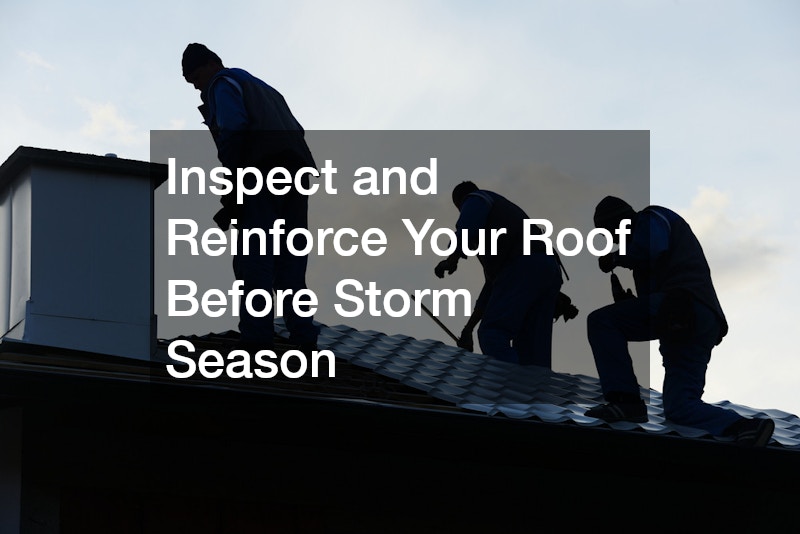
Your roof quietly absorbs the brunt of every weather event. Sun exposure weakens materials over time, while wind and rain exploit even the smallest gaps. That’s why regular roof inspections are one of the most effective ways to prevent major damage.
Start with a ground-level assessment. Walk around your home and look for:
- Shingles that appear curled, cracked, or missing
- Dark streaks that may indicate moisture buildup
- Debris is collecting in valleys or along edges
If something looks off, it usually is.
Climbing onto the roof yourself can be risky, especially if you’re not experienced. That’s where a qualified roofer becomes invaluable. They can identify issues that aren’t visible from below, like compromised flashing or soft spots in the decking.
Timing matters, too. Late spring and early fall are ideal for inspections because they prepare your home for the harsher seasons ahead. A quick check now can prevent water from seeping in during the next storm.
Some homeowners wait until they notice a leak. By then, the damage has often spread beneath the surface. Staying proactive keeps repairs manageable—and far less expensive.
Trim Trees and Remove Hazardous Limbs Early
Trees add beauty and shade, but they can also become one of the biggest threats to your home during severe weather. A single weak branch can turn into a battering ram when the winds pick up.
The key is knowing what to look for before it becomes a problem. Dead limbs, uneven growth, and branches hanging over your roof are all warning signs. Even healthy trees can pose risks if they’re too close to your home.
Tree cutting doesn’t always mean removing entire trees. Often, it’s about strategic trimming to reduce weight and improve balance. For smaller branches, you may feel comfortable handling it yourself. But when it comes to larger limbs or trees near power lines, calling a local tree company is the safer route.
A good rule of thumb: if you’re unsure whether a branch could damage your home if it fell, it’s worth addressing.
There’s also a seasonal rhythm to tree maintenance. Late winter and early spring are ideal for trimming, as trees are dormant and easier to manage. Waiting until storm season arrives limits your options—and increases your risk.
Improve Drainage to Prevent Water Damage
Water is one of the most persistent forces your home will face. Unlike wind or storms, it doesn’t need extreme conditions to cause damage. Poor drainage can slowly undermine your foundation, seep into walls, and create long-term structural issues.
Start by observing how water moves around your property during rainfall. Does it flow away from your home, or does it linger?
If you notice pooling, the solution often begins with simple adjustments:
- Clean out gutters and ensure downspouts direct water at least a few feet away
- Check that your yard slopes gently away from the foundation
- Remove blockages that prevent water from draining properly
Sometimes, the issue runs deeper—literally. Underground drainage systems can become clogged or inefficient over time. In these cases, a plumbing contractor can assess and improve how water is managed beneath the surface.
Another often-overlooked factor is mineral buildup in pipes and drainage systems. Over time, hard water can reduce efficiency, which is where a water conditioner can help maintain smoother flow and prevent blockages.
Addressing drainage isn’t glamorous, but it’s one of the most impactful ways to protect your home from long-term damage.
Protect Outdoor Systems and Fuel Sources
Walk around your yard before a storm, and you’ll likely notice several items that could become vulnerable under pressure. Outdoor systems—especially those tied to fuel or power—require extra attention.
Take propane tanks, for example. If they’re not properly secured, strong winds can shift or damage connections. Ensuring they’re anchored and positioned safely away from high-traffic areas reduces risk significantly.
The same goes for HVAC units and generators. These systems are designed to withstand the elements, but not necessarily flying debris or flooding. Elevating them slightly or installing protective barriers can make a big difference.
After a storm passes, it’s important to check for storm damage even if everything appears intact at first glance. Small issues, like loosened connections or minor dents, can lead to larger problems if left unaddressed.
A quick post-storm walkthrough might include:
- Checking for visible damage or displacement
- Ensuring all connections remain secure
- Listening for unusual noises when systems restart
These small steps help you catch issues early, before they evolve into costly repairs.
Maintain Your Water Heater for Extreme Weather Conditions
Your water heater works year-round, but extreme weather can push it to its limits. Sudden temperature changes force the system to work harder, which increases wear and tear.
One of the simplest ways to extend its lifespan is routine maintenance. Flushing the tank removes sediment buildup, which improves efficiency and reduces strain. Insulating the unit can also help maintain consistent performance during colder months.
If you’ve ever experienced a water heater failing in the middle of winter, you know how disruptive it can be. That’s why scheduling regular water heater service before peak seasons is a smart move.
Watch for early warning signs:
- Inconsistent water temperatures
- Unusual noises coming from the tank
- Rust-colored water
These signals often appear before a complete breakdown. Addressing them early keeps your system reliable when you need it most.
Strengthen Windows, Doors, and Entry Points
Wind and rain don’t need large openings to enter your home. Even the smallest gaps around windows and doors can allow moisture and drafts to sneak in.
Start with a simple test: on a windy day, stand near your windows and doors. If you feel air movement, there’s likely a seal issue.
Weather stripping is one of the easiest fixes. It creates a tighter seal and reduces both water intrusion and energy loss. Door sweeps can also block drafts at the base of exterior doors.
For areas prone to severe weather, upgrading to impact-resistant windows or installing storm shutters adds another layer of protection. These improvements not only protect your home but can also reduce insurance costs in some regions.
Don’t forget the garage door. It’s often one of the largest openings in your home and can be a weak point during high winds. Reinforcing it helps maintain the structural integrity of your entire house.
Keep Your Yard and Landscaping Storm-Ready
Your yard plays a bigger role in weather protection than you might expect. Healthy, well-maintained landscaping can absorb water, reduce erosion, and even act as a buffer against strong winds.
One often overlooked aspect is weed control. Weeds compete with grass and plants for nutrients, weakening the overall health of your landscape. When soil becomes loose or patchy, it’s more susceptible to erosion during heavy rain.
Maintaining strong root systems helps stabilize the ground. Consider planting native species that are naturally adapted to your climate. They typically require less maintenance and offer better resilience against local weather patterns.
It’s also worth taking a closer look at how your yard is arranged. Are there loose items that could become airborne? Are heavier objects positioned in a way that could cause damage if shifted?
Simple adjustments—like securing outdoor furniture or repositioning planters—can prevent unnecessary damage when storms roll in.
Check Plumbing Systems Before Freezing or Heavy Rain
Plumbing issues tend to escalate quickly when weather conditions change. A small leak can turn into a major problem if pipes freeze or if heavy rain overwhelms your system.
Start by identifying any exposed pipes, especially in areas like basements, garages, or crawl spaces. Insulating these pipes helps prevent freezing and potential bursts.
If you’ve experienced slow drains or backups in the past, it may be time for a more thorough inspection. A plumbing contractor can evaluate your system and recommend improvements, such as backflow prevention devices.
Heavy rainfall can also strain sewer systems. Ensuring your home is equipped to handle excess water reduces the risk of unpleasant and costly backups.
Regular checks, even when everything seems fine, keep your plumbing system ready for whatever the weather brings.
Build a Seasonal Home Maintenance Routine
Consistency becomes much easier when you stop thinking of home maintenance as one big responsibility and start treating it like a repeating system. Instead of reacting to problems, you’re following a rhythm that keeps your home in check year-round.
A helpful approach is to tie tasks to natural seasonal transitions—when the weather shifts, your focus shifts with it. This creates built-in reminders without needing to constantly think about what’s next.
Some homeowners even anchor these routines to events they already remember, like daylight saving time changes or the start of a new season on the calendar.
Spring: Reset and Repair After Winter Wear
Winter can be tough on your home, even if damage isn’t immediately visible. Spring is the time to look closely and fix anything that may have weakened over the colder months.
Focus on areas that were exposed to moisture, freezing temperatures, or debris buildup. Walk around your home and take note of anything that looks different from what it did before winter.
Key areas to check include:
- Exterior walls for cracks or peeling paint
- Gutters and downspouts for blockages or separation
- Roof edges and drainage paths for leftover debris
Spring is also the ideal time to test systems that will be used more heavily in warmer months. Catching small issues now prevents interruptions later.
Summer: Maintain Performance and Outdoor Spaces
Summer maintenance is less about repair and more about optimization. Your home is generally under less stress from extreme conditions, which makes it the perfect time to fine-tune systems and focus on upkeep.
This is when outdoor spaces need the most attention. Grass grows quickly, plants expand, and exterior surfaces are constantly exposed to the sun and heat.
Use this time to:
- Keep landscaping trimmed and balanced
- Clean exterior surfaces like siding, decks, and patios
- Check seals around windows and doors for sun-related wear
It’s also a good opportunity to observe how your home handles heat. Are certain rooms warmer than others? Are cooling systems running efficiently? These observations help guide improvements.
Fall: Prepare and Protect Before Conditions Change
Fall is your preparation window. What you do during this season directly impacts how well your home handles colder weather.
Leaves, debris, and fluctuating temperatures can create problems if left unaddressed. This is the time to clear, seal, and reinforce.
Important fall tasks often include:
- Removing leaves from gutters and drainage areas
- Sealing small gaps or cracks before cold air moves in
- Checking insulation in key areas like attics and basements
Think of fall as your last chance to get ahead of winter. A few hours of effort here can prevent much larger issues later.
Winter: Monitor and Respond in Real Time
Winter maintenance is more about observation than action. Harsh conditions limit what you can safely do outside, so the focus shifts to monitoring how your home is performing.
Pay attention to changes as they happen. Drafts, condensation, or unusual noises can all signal developing issues.
During colder months, it helps to:
- Check for ice buildup along roof edges or walkways
- Monitor indoor humidity levels to prevent condensation
- Keep an eye on heating performance and consistency
If something feels off, it’s worth investigating sooner rather than later. Winter problems tend to escalate quickly if ignored.
Focus on Progress, Not Perfection

It’s easy to feel like you need to do everything at once—or do it perfectly. But that mindset often leads to burnout or inaction.
The reality is that even small efforts make a difference. Cleaning one section of gutters, sealing one draft, or inspecting one part of your home still moves you forward.
What matters most is that you keep showing up each season. Those incremental improvements add up, creating a home that’s stronger, more efficient, and better prepared year after year.
Know When to Call in Professionals Versus Diy
There’s a certain satisfaction in handling home maintenance yourself. But knowing your limits is just as important as knowing how to fix something.
Some tasks carry risks that outweigh the benefits of doing them alone. Climbing onto a roof, handling large tree limbs, or diagnosing complex systems are all situations where professional help is the safer choice.
A reliable roofer can identify structural concerns that aren’t visible to the untrained eye. Similarly, a local tree company has the equipment and expertise to handle dangerous removals safely.
If you find yourself hesitating or second-guessing a repair, that’s often a sign to step back. The cost of professional help is usually far less than the cost of fixing a mistake.
Building relationships with trusted professionals also makes future maintenance easier. When you know who to call, you’re more likely to act quickly—and that speed can make all the difference.
Taking Small Steps Today for Long-Term Protection
Protecting your home from weather damage isn’t about a single project or upgrade. It’s about creating a mindset of ongoing care.
When you stay attentive, address issues early, and make small improvements over time, your home becomes more resilient with each season. The payoff isn’t just fewer repairs—it’s peace of mind.
Because when the next storm rolls in, you won’t be wondering what might go wrong. You’ll know you’ve already taken steps to keep your home safe.